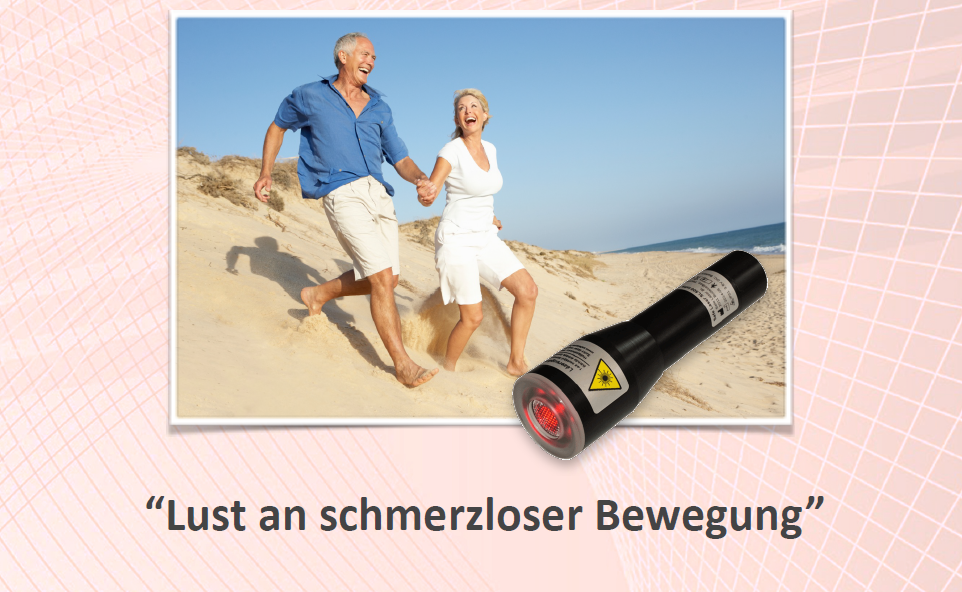
Safe Laser 1800 Vs. Safe Laser 500 What Are The Main Differences?
The efficacy of treatment with photobiomodulation (PBM) devices like the Safe Laser 1800 and 500 is determined by their core technical parameters including wavelength and output being the two most critical. Both devices employ the same basic scientific principles however, their distinct strategic features determine their distinct application in clinical practice and their effectiveness for treatment. The wavelength determines what part of the body that the light energy is absorbed into while power output determines the quantity and how fast the energy will be absorbed. A detailed comparison of these two factors will reveal why the Safe Laser 1800 is engineered as a deep-tissue powerhouse for high-volume clinics and the Safe Laser 500 is designed to be a portable, flexible unit for combined treatments that are both superficial and medium-depth.
1. Primary Wavelength: A Common Foundation for Deep Tissue Penetration
The Safe Laser 1800 and the Safe Laser 500 utilize an 810 nanometer (nm) infrared laser wavelength as their primary source of therapeutic energy. This is a deliberate and scientifically-grounded choice. The wavelength of 810nm is within the "therapeutic-window" (650-940nm) in which maximum light penetration is possible through the skin, water and blood. This wavelength is optimally taken up by mitochondria through the cytochrome c oxidase that initiates the photobiomodulation. The fundamental mechanism behind both devices that reduce inflammation and pain in the deep tissues, including ligaments, joints, and muscles is the similar.
2. The Safe Laser 500's Hybrid Wavelength: 810nm & 666nm
Safe Laser 500 has a unique hybrid or cluster applicator. While the central diode emits 810 nm laser light but it is enclosed by the ring composed of SuperLuminous Diodes (SLDs) that emit light at 660 nm. This wavelength is more easily absorbed by hemoglobin as well as other superficial pigments. The 660-nm wavelength is particularly efficient in treating superficial conditions such as open wounds. The 500 can provide dual-wavelength treatment by simultaneously targeting the deep tissues (810 nm) as well as superficial tissues (660 nm).
3. The safe Laser 1800's Singular High-Power 810nm Focus
Contrary to that, the Safe Laser 1800 employs a single, high-power 810 nm laser diode without supplementary wavelengths. Its philosophy of design is based on maximizing permeation and concentrated intensity. By concentrating all of its immense power into the single, highly-penetrating 810nm wavelength, it's designed to overcome the scattering and absorption that occurs in thick or dense tissues. It is therefore the best device to access deep joint capsules and spine of patients who have a greater body weight.
4. Peak Power Output: An Order of Magnitude difference
The main difference between them is their power output. The Safe Laser 1800 has a maximum output of 18 Watts (18,800 milliwatts). Safe Laser 500 has a maximum output of 5 Watts (5 milliwatts). The SL 1800 therefore has 3.5 times more raw power than the SL 500. The differences in power are not because of effectiveness. It's about efficiency and the capacity to deliver the most potent therapeutic dose to treat challenging, deep-seated diseases.
5. Treatment times, and efficiency of clinical care
The treatment duration is directly affected by the power output. The PBM treatment dose is measured with Joules. Safe Laser 1800 (18W) would require just under 5 seconds for delivering 100 Joules of dose. The Safe Laser 500, at 5W, will take 20 seconds to deliver the same amount. A treatment plan that requires 500 Joules would take approximately 28 seconds to complete, compared to 100. In a busy setting, these time savings are transformational. They allow for quicker patient rotation as well as the treatment of more extensive areas.
6. Beam Divergence and Coverage of the Treatment Area
The physical light it emits is different. Safe Laser 1800 emits a diffident beam of light laser from its head with a large diameter. This means that the beam is spread when it leaves the applicator. Covering a larger area (several cm in size) of skin. This is the best treatment for large areas with discomfort or inflammation, like quadriceps muscles or a stretched lat. Safe Laser 500 has a cluster head with a focused location for application. This helps it be more effective in focusing on specific structures such as a trigger or tendon. Its 660 nm circle targets the tissue immediately surrounding the area.
7. Photon Behavior and Coherence
Safe Laser 1800 is a real coherence laser. Its 810nm source emits coherent light. Theoretically coherent light can penetrate tissue more effectively due to lesser scattering. This could be one of the reasons in the superior depth penetration. Safe Laser 500's 810nm center diode emits coherent light, but its SLDs that surround it at 660nm don't. Non-coherent light is much more likely to scatter, making it more useful for treating superficial injuries.
8. Clinical Indications Dictated by Wavelength and Power
These technical differences make them suitable for clinical use. Safe Laser 1800 with its 810nm high-power laser is ideal for chronic, deeply ensconced deep inflammatory conditions such as spinal facet and hip osteoarthritis. Safe Laser 500 with its hybrid 810nm/660nm systems is ideal for treating soft tissue injuries, wounds, post-surgical scars and other conditions that require a combination deep and superficial action.
9. Dosimetry: Practical Applications
The power differential influences how a doctor views the process of dosing. Safe Laser 1800 is a device in which the main parameter in Safe Laser 1800 is the intensity per spot. This time is very short. The practitioner must be diligent to maneuver the device properly to avoid over-treating a single spot because of the fast energy delivery. Safe Laser 500's longer treatment time per spot is more lenient and is often coupled by automated dosage guidelines.
10. Strategic Summary Power Versatility. Flexibility
At the end of the day, selecting the right wavelength and power is a strategic choice. Safe Laser 1800 offers unmatched power and penetration. It sacrifices the versatility of multi-wavelengths of the 500 to gain the speed and depth. It's a clinical powerhouse designed for the most demanding of conditions. The Safe Laser 500 is a tool of versatility and portability, offering a combined-wavelength approach in a compact format, making it ideal for mobile therapists or those focusing on a wider variety of superficial-to-mid-depth conditions. Both are powerful, but they're designed for a variety of battlefields for therapy. View the most popular bioptron lámpa for more advice including soft laser kezelés, www safelaser hu, lágylézer vásárlás, lézerfény terápia, lágylézer kezelés szeged, lágy lézer, safe laser vélemények, soft lézer terápia, laser kezelés, lágylézer készülék bérlés and more.

The Top 10 Suggestions For Lasers That Are Safe At Home
Safe Laser devices, which are high-power photobiomodulation systems (PBM) are able to be utilized at home in order to provide patient-managed therapy. This is a major move away from clinical applications. Experts, including doctors and biomedical engineers, as well as the companies that manufacture the devices, have stated that adhering to the fundamental guidelines is vital to get the best outcomes, as well as the safety aspect is also important. The home therapy method does not involve self-diagnosing complicated conditions. Instead, it involves effectively managing known and chronic issues with the help of by a trained professional. These recommendations are a synthesis of expert opinion that is designed to assist users of Safe Laser devices at home get the maximum therapeutic benefit, while minimizing risk and maximising the return on their investment.
1. A professional diagnosis is not negotiable
Every expert agrees that it is crucial to not attempt a self-diagnosis. The patient should seek a diagnosis from a medical professional (e.g. physician or physiotherapist, chiropractor,) before beginning any laser therapy at home. The role of the expert is to determine if the situation is suitable for treatment with lasers and to determine if there are any contraindications, for instance, malignancies or specific thyroid diseases. The professional treating the patient should also determine the treatment plan, which includes the frequency, dosage and the location of treatment. This provides the patient with an excellent foundation for starting the home care program efficiently and safely.
2. Mastering Dosage is a cornerstone of Efficacy and Safety
PBM experts are united in their belief that "more does not always mean more". The relationship between dose and its effects is biphasic. For those who use home remedies that means observing the prescribed dosage as it is a function of power and time, which is measured in Joules. If you do not experience immediate relief, patients should resist the urge to "double-up" on treatments. Over-treatment may lead to tissue saturation, which can negate the therapeutic effect and waste energy and time.
3. Frequency of treatment is more important than intensity
It is important to maintain consistency, rather than relying on the strength of a single session. PBM is a process that occurs over time that stimulates biological functions including reduced tissue damage, increased ATP and reduced inflammation. The most common recommendations from experts involve an initial phase of intense treatment (e.g. at least once or twice a day for up to 1-2 weeks) and then an ongoing phase (e.g. 3-4 times every week). A prescribed schedule will provide a longer-lasting healing message to tissues.
4. Techniques for proper application proper application technique movement
Optimal results require correct application technique. Experts offer advice on how to obtain optimal results. Contrary to some clinical lasers Safe Laser devices are designed to be used on contact. This minimizes light scattering and maximizes the amount of light that is delivered. In the second, keep the device perpendicular (at a 90-degree angle) to the area being treated. An angle-based device may reflect away light off the tissue, which can reduce effectiveness. For areas that are larger than the head of the applicator, move in a systematic circular pattern or grid. This will ensure an even application, without needing to overlap or miss spots.
5. Skin Preparation and Coupling
The interaction between your device's interface and skin is critical. Experts advise that the skin be clean, dry and free from lotions, creams or oils. These products can serve as barriers that scatters or reflect the laser's light, and thus reducing the absorption. It is suggested to trim areas that are excessively hairy in the treatment area, since hair could block and scatter light energy.
6. Understanding and Respecting Treatment Sensations
The most important aspect of instruction for patients at home is the expectations to be aware of during treatment. Laser therapy that is safe and non-invasive and non-thermal. Patients should not feel heat, burning or tingling. The correct feeling is the total absence of any sensations. It is an indication that the device is placed in a wrong position or moved too slowly. It may also mean that it was utilized in a contraindicated location. Experts recommend that users stop immediately and reassess technique in the event that they feel anything else than a the slightest pressure.
7. The documentation of treatment information and tracking of the progress
The experts recommend that patients at home keep a thorough treatment diary. The log should include the dates, times, conditions treated, specific anatomical points that were treated and the dose (time per area or point), and any subjective notes about the level of pain or changes in function (e.g., "shoulder pain was 6/10 before treatment, 4/10 two hours after"). This log helps to ensure that you are consistent. It also provides objective information for any follow-up consultations that may be necessary with your healthcare provider in the case of a plateau.
8. Obligation to adhere strictly to contraindications
Safety is the most important factor. The home user must be informed of the contraindications absolute and relative. Lasers should not be used when the following conditions are present: a cancerous tumor or active carcinoma thyroid glands, abdomens or thyroid glands of women who are pregnant. Use of the laser over epiphyseal plates (growth) in children, or patients suffering from seizures that are photosensitive are among the precautions. A responsible home user treats this list with the greatest respect and rigor.
9. Integrating laser therapy with a comprehensive management strategy
Experts advise against considering the laser a "magic bullet". PBM should be incorporated into a the complete treatment plan to get best outcomes. It includes other practices such as prescribed exercises for flexibility and strength, the right nutrition and hydration to aid in tissue repair, and adequate rest. The laser reduces inflammation and pain, preparing the tissue to heal. But the other components of the plan rebuild and strengthen tissue for long-term resilience.
10. Finding out Realistic expectations and the "Crisis of Repair".
Lastly, experts strive to set realistic expectation. Conditions that are chronic and are present for a long time and have developed slowly won't resolve in a single or two sessions. The improvement is usually gradual. The users are also informed about the potential for "crisis or repair"–a temporary deterioration of symptoms as the body's healing and inflammation mechanisms are activated. This can help patients not to become discouraged or stop a successful therapy too early. The key to success is patience. success. Read the most popular Safe Laser 1800 for blog info including safe laser 500 használata, lézer terápiás készülék, safe laser 1800, lézeres kezelés gy?r, lézer kezelés árak, safe laser ellenjavallat, lezeres kezeles, safe laser tapasztalatok, safe laser 500 bérlés, orvosi lézer lámpa and more.